For many homeowners, the dream of a beautifully designed room often crashes into the reality of an empty wallet and a blank canvas. You stand in your living room, home office, or loft space, feeling overwhelmed by the sheer number of choices and the fear that a stylish space requires a massive budget and a professional designer. If you’ve ever felt paralyzed, unsure where to begin, or frustrated that your taste seems more expensive than your bank account, you’re not alone. The good news is that creating a cohesive, impactful, and deeply personal space isn't about emptying your savings on the most expensive items. It's about having the right approach, a clear vision, and the insider knowledge to find high-impact pieces on any budget. This guide will give you the roadmap to transform your undecorated space into a curated, functional, and stylish haven.
The Design Paralysis Cure: Start with Your Aesthetic
The most common hurdle in home design is not budget, but lack of direction. Before you browse a single online store or measure your space, you must first define the design aesthetic you are aiming for. Think of your aesthetic as the North Star of your project. Without it, you’ll end up with a collection of random items that, while beautiful individually, create a cluttered, confusing atmosphere all together.
How to Discover Your Vibe in Design:
Go Digital, Then Go Analog: Create a mood board - Use Pinterest or Instagram to save images on your mobile device, tablet or printed images to paste to your beloved notebook - not just of rooms, but of colors, textures, and even fashion that speaks to you
Identify the Three Themes: Look at your saved images. Are they mostly light wood, minimal lines, and white textiles (Scandi/Minimalist)? Or deep colors, velvet, mixed metals, and vintage rugs (Eclectic/Maximalist)? Are they clean, crisp, and neutral with structural pieces (Modern)? Try to narrow it down to two or three core descriptive words
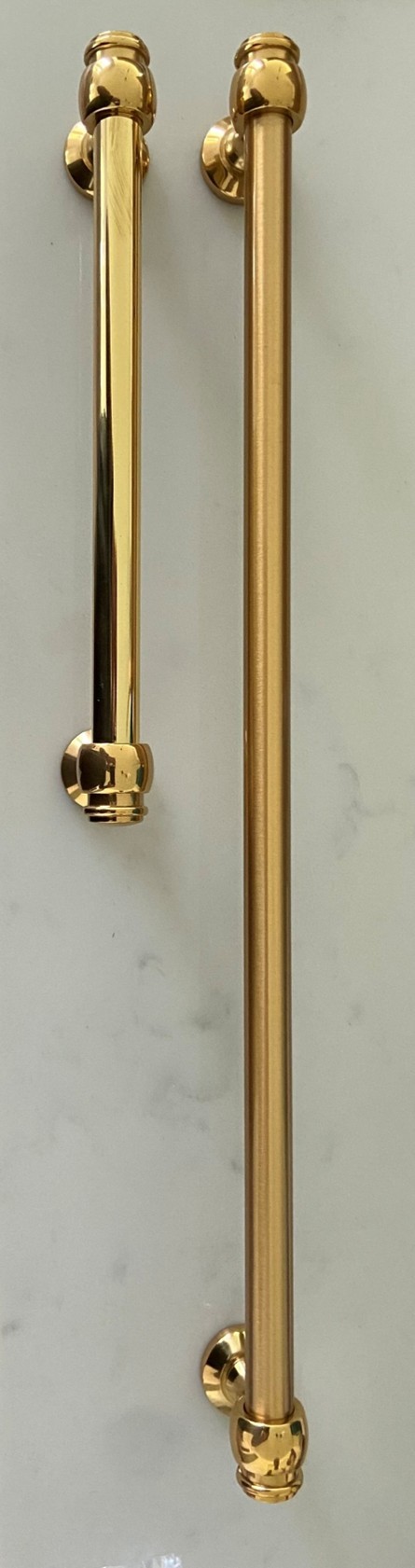
Create Your Color Palette: Based on your aesthetic, select one dominant color (neutrals usually work best), one accent color (something to bring pop), and one metallic finish (brass, matte black, chrome). This simple rule ensures coherence across all your purchases
Once you have this clear vision, you have a filter to guide every purchasing decision. If an item doesn't fit your aesthetic or color palette, you simply walk away-regardless of the price tag. Stay committed!
The Anchor Piece Strategy: Building a Foundation of Quality
Many beginners make the mistake of buying all the small accessories first, which leaves them with a mountain of expensive trinkets and no functional furniture.
The winning strategy is to focus on anchor pieces first. These are the foundational, high-quality, and often larger items that define the space, such as a sofa, a dining table, or a signature bookcase. These pieces are where you should allocate a larger portion of your budget because they provide the foundation, comfort, functionality, and longevity.
Steps to Selecting Your Anchor:
Define the Room's Primary Function: Is this a formal living room, a family movie room, or a functional home office?
Choose Your Signature Piece: Based on the function, invest in the best quality piece you can afford. For a living room, this is likely the sofa or the area rug. For an office, it may be the desk.
Decorate around the Anchor: The style, color, and size of this anchor piece will set the tone for everything else you purchase. (Put a pin in it Aluderbrass: This tip is so clutch. Your foundational piece is what you’re going to build your vision around, so choose wisely!)
If your existing furniture is tired, dated, or simply doesn't align with your new aesthetic, this is your permission slip to retire it. Viewing this as an opportunity to acquire a signature, beautiful piece that truly grounds your design, will shift your mindset from feeling overwhelmed to feeling inspired.
The Smart Sourcing Method: Balancing Budget and Impact
This is where the magic happens and where a limited budget truly shines. With your anchor piece secured and your aesthetic defined, you can now master the art of high-low sourcing.
This method balances the necessary investment in anchor pieces with savvy shopping for all the essential accents - the lamps, throws, vases, pillows, and small accent tables that bring the space to life. It proves that you don't need a massive budget to achieve a refined look.
The Aulderbrass Shopping Playbook:
Source Tier | Purpose | Examples | Shopping Strategy |
Tier 1: Quality Accents | Functional accent furniture (side tables, lighting, smaller chairs) that need to last and look refined. | Pottery Barn, West Elm, Arhaus, Restoration Hardware, Wayfair, Birch Lane | Shop sales! Look for classic shapes that won't quickly feel dated. |
Tier 2: High-Impact Finds | Decor and accessories that bring texture, uniqueness, and personality. | Amazon, Etsy, Facebook Marketplace, Thrift Stores | Be Specific: Use Amazon to find budget-friendly accent pillow covers or decorative storage baskets. Use Etsy for unique, handmade art or custom-sized rugs. |
Tier 3: The Hunt | Unique, secondhand, or vintage pieces that provide character and soul. | Facebook Marketplace, Consignment Shops, Estate Sales | Be Patient: Search using keywords like "vintage brass," "mid-century," or specific furniture styles. These finds may take time, but the payoff in originality is huge. |
The secret to making lower-budget items look high-end is to focus on texture and finish. A budget lamp in a rich matte black or a simple white vase with an interesting, textural finish will always look more sophisticated than a piece with a shiny, cheap plastic coating.
The Power of "Small Finds" and Layering
Once the foundational pieces are in place, the final step is utilizing small finds to easily bring personality and depth. This is called layering, and it's what separates a decorated room from a designed room.
Pillows and Throws: These are your most powerful, budget-friendly tools. Swap out covers seasonally and use them to introduce your accent color, texture (velvet, linen, knit), and pattern
The Rule of Three: When decorating a shelf, coffee table, or dresser, group objects in odd numbers (three or five) vary their height and texture to create visual interest
Integrate the Personal: Your space should reflect you - incorporate travel souvenirs, framed family photos, or books you actually read (This makes the space feel authentic and lived-in, not just staged)
The journey to designing a beautiful home doesn't require a large team or an infinite budget. It requires a clear plan, a defined aesthetic, and the confidence to blend quality foundation pieces with thoughtful, budget-friendly finds. By following this approach, you're not just decorating; you’re curating a space that genuinely feels like home.
Ready to Define Your Anchor?
If you're still mentally living in the land of ideation but you’re ready to move past the paralysis and establish your signature anchor piece or design aesthetic, we’re here to help and guide you through the process.
Schedule a consultation with our Aulderbrass design team today to get a professional assessment and a tailored sourcing plan that fits your vision and your budget.