You’ve spent weeks selecting the perfect paint color, finding the ideal sofa, and arranging your accent pieces. Yet, something feels off. The space lacks that final, polished vibe you see in magazines.
The culprit? Often, it's the lighting.
Of all the elements in interior design, lighting and illumination are perhaps the most overlooked and least understood. For many homeowners, a light fixture is simply an overhead necessity-a utility rather than a design opportunity. However, professional designers know that strategic illumination is the secret ingredient that can transform a functional room into a breathtaking experience.
The complexity of lighting-from fixture types and placement to color temperature and bulb visibility-often makes it feel like the most niche and nuanced aspect of design. But by breaking down the fundamentals, you can empower yourself to harness this transformative power and create a truly beautiful, well-lit home.
The Critical First Step: Understanding Your Existing Light
Before you browse a single chandelier or pendant, you must become intimately familiar with the light sources your room already possesses. Ignoring this foundational step leads to rooms that are either too harsh, too dim, or simply feel unbalanced.
Analyze the Natural Light:
The first assessment is the natural light your space receives.
Direction Matters: Does the room face North (soft, even light throughout the day), South (bright, direct light all day), East (bright morning light), or West (warm afternoon/evening light)?
Measure the Intensity: A room bathed in southern light will require a different lighting strategy than a dark, north-facing space. Your artificial fixtures will either need to supplement weak natural light or gently balance intense direct light.
This initial analysis is crucial for open-concept homes. The light you introduce to the kitchen will impact the adjacent living area, requiring a cohesive strategy across the entire zone.
Defining Your Fixture's Function and Form
Once you understand the natural baseline, it’s time to define the types of light fixtures you need. This involves answering two core questions: What is the light's purpose? and What is the desired aesthetic?
The Three Layers of Illumination:
A well-designed room uses a mix of lighting types, known as layering:
Ambient Lighting (General): This is your main, overarching light source (e.g., recessed cans, central chandeliers). Its purpose is overall visibility.
Task Lighting (Specific): Focused light for specific activities (e.g., a reading lamp by an armchair, under-cabinet lighting in a kitchen).
Accent Lighting (Decorative): Used to draw attention to features (e.g., track lighting aimed at artwork, uplighting a plant). This adds dimension and drama.
Defining Your Lighting Aesthetic:
The fixture itself is often a piece of decor. The key is to match the fixture style to your overall home design:
Contemporary/Modern: Clean lines, geometric shapes, and materials like chrome or matte black.
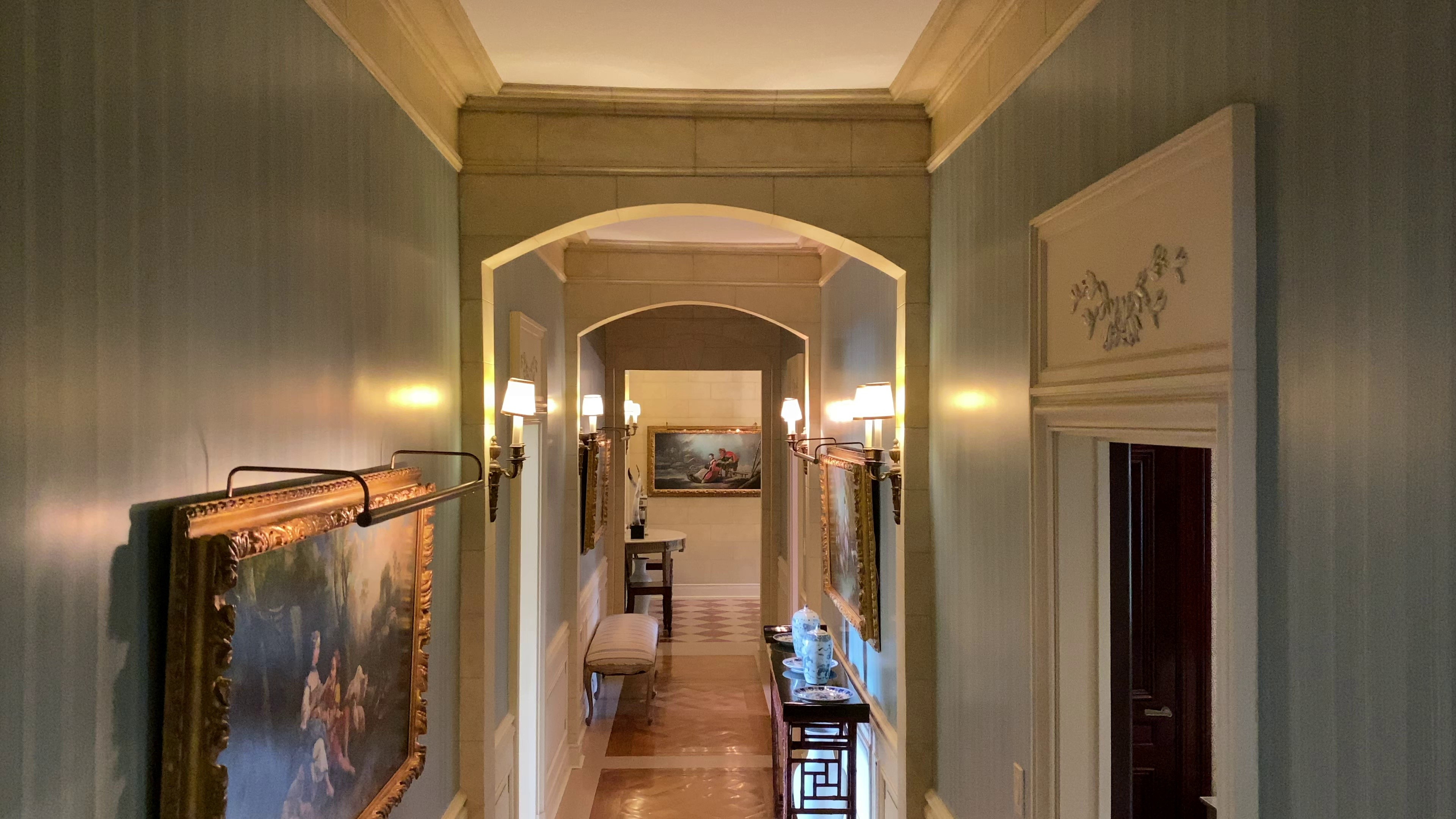
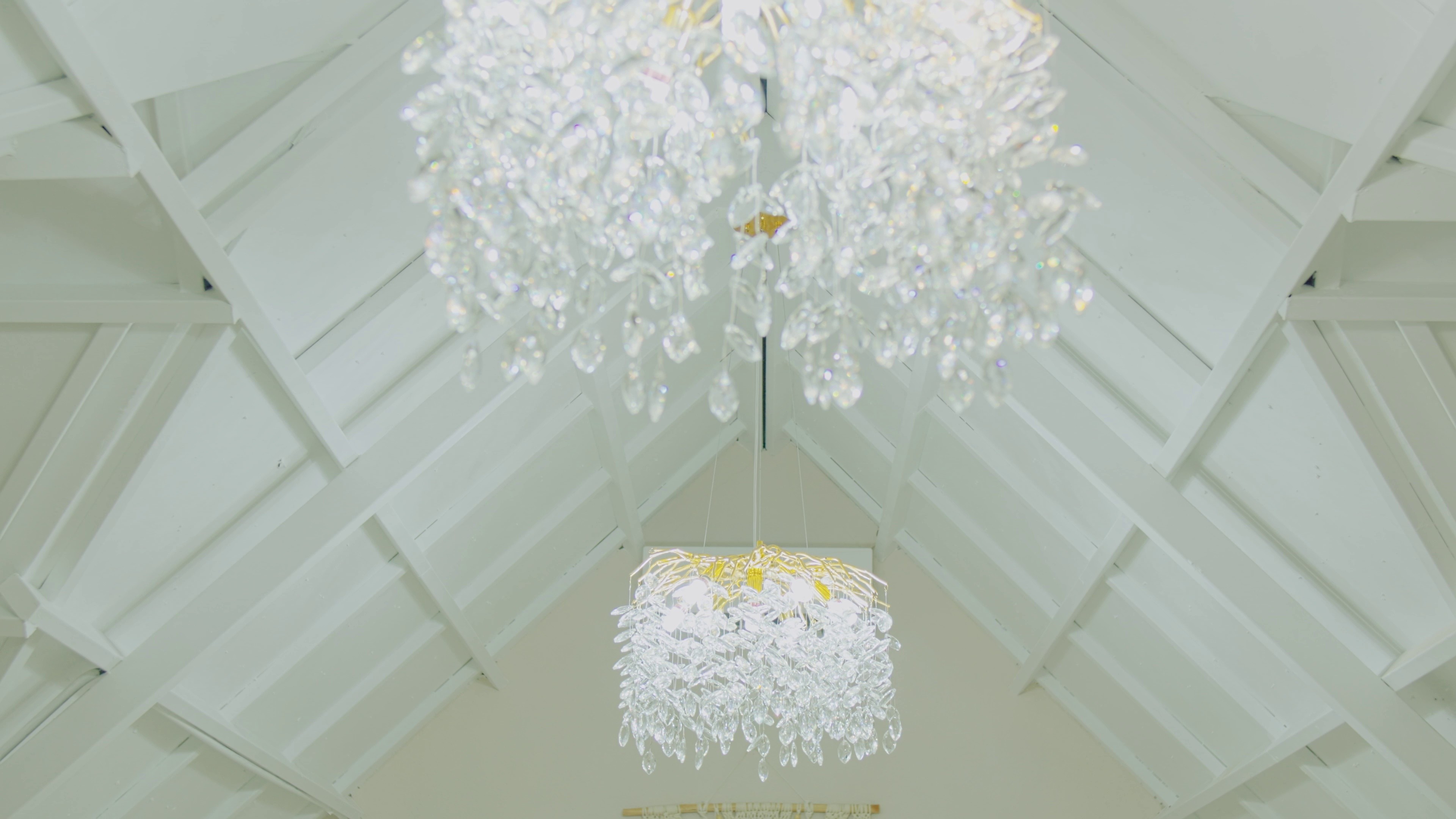
Classic/Formal: Fixtures often feature crystals, polished metals, and more detailed, traditional silhouettes.
Transitional: A popular blend of classic elegance with clean, contemporary simplicity.
By identifying the type of light needed (Ambient, Task, or Accent) and the style (Modern, Classic, etc.), you narrow down your search from infinite options to a focused set of powerful choices.
The Nuance of the Bulb: Seen vs. Unseen
This is where the design process becomes truly nuanced, moving from the fixture itself to the subtle power of the light source. The question that dictates your bulb choice is simple but critical: Will the bulb be seen from the fixture or not?
Case A: The Bulb is Hidden (Enclosed Fixtures)
When the bulb is encased in a frosted glass dome, a solid metal shade, or behind a diffuser, you have much greater flexibility in the type of bulb you select.
Priority: Efficiency and light output (lumens).
Choice: Frosted LED, plastic-covered LED, or standard clear bulbs. Since the bulb's appearance doesn't matter, you can prioritize performance and energy savings.
Case B: The Bulb is Visible (Exposed Fixtures)
In fixtures like open-cage pendants, glass globes, or wall sconces, the bulb is part of the design. A standard white LED bulb can look jarring and cheap, detracting from the fixture's beauty.
Priority: Aesthetic appeal and warmth (Color Temperature).
Choice: Edison-style filaments (for vintage/industrial aesthetics), decorative globe bulbs, or clear glass bulbs with a specific shape. Look for dimmable LED filaments that mimic the warm glow of incandescent lighting without the high energy cost.
Beyond Brightness: Understanding Color Temperature
Even with the perfect fixture and visibility defined, the warmth or coolness of the light can make or break a space. This is measured in Kelvin (K), known as the Color Temperature.
Warm Light (2,000K to 3,000K): Yellowish light, similar to candlelight or a warm sunset. Ideal for living rooms, bedrooms, and dining areas where relaxation and coziness are key.
Neutral White (3,500K to 4,500K): A clean, crisp white. Excellent for kitchens, bathrooms (for accurate makeup application), and home offices where focus and task performance are priorities.
Daylight (5,000K to 6,500K): A cool, blue-tinged light, often used in garages or commercial settings. Generally too harsh for residential living areas.
A professional approach dictates using warmer light in gathering and relaxing spaces, and neutral light in functional, task-oriented areas. This subtle shift in temperature is a hallmark of truly thoughtful design. Harnessing the power of illumination is the final, essential step in moving your home from merely decorated to expertly designed. By approaching lighting with strategy-starting with your natural light, defining your fixture’s role, and thoughtfully selecting the right bulb and temperature-you can finally achieve that polished, inspiring atmosphere you’ve been searching for.
Ready to Illuminate Your Vision?
Lighting is a highly technical and aesthetic choice. If you are struggling to find the right balance of ambient, task, and accent lighting for your complex space or open-concept home, we are here to help you design a comprehensive plan.
Schedule a consultation with our team to ensure your lighting scheme elevates your entire home.